Making Therapy Work for Men
By: Susan Somogyi
For many men, reaching out for help can feel difficult. Sometimes it’s because of stigma. Sometimes it’s because they are used to handling things on their own. And sometimes it’s because traditional ideas about therapy don’t feel like a good fit.
Not everyone is comfortable sitting in a room and talking deeply about feelings. For some men, that kind of conversation can feel unnatural, intense or even threatening. That does not mean therapy isn’t for them. It may simply mean they need a different approach.
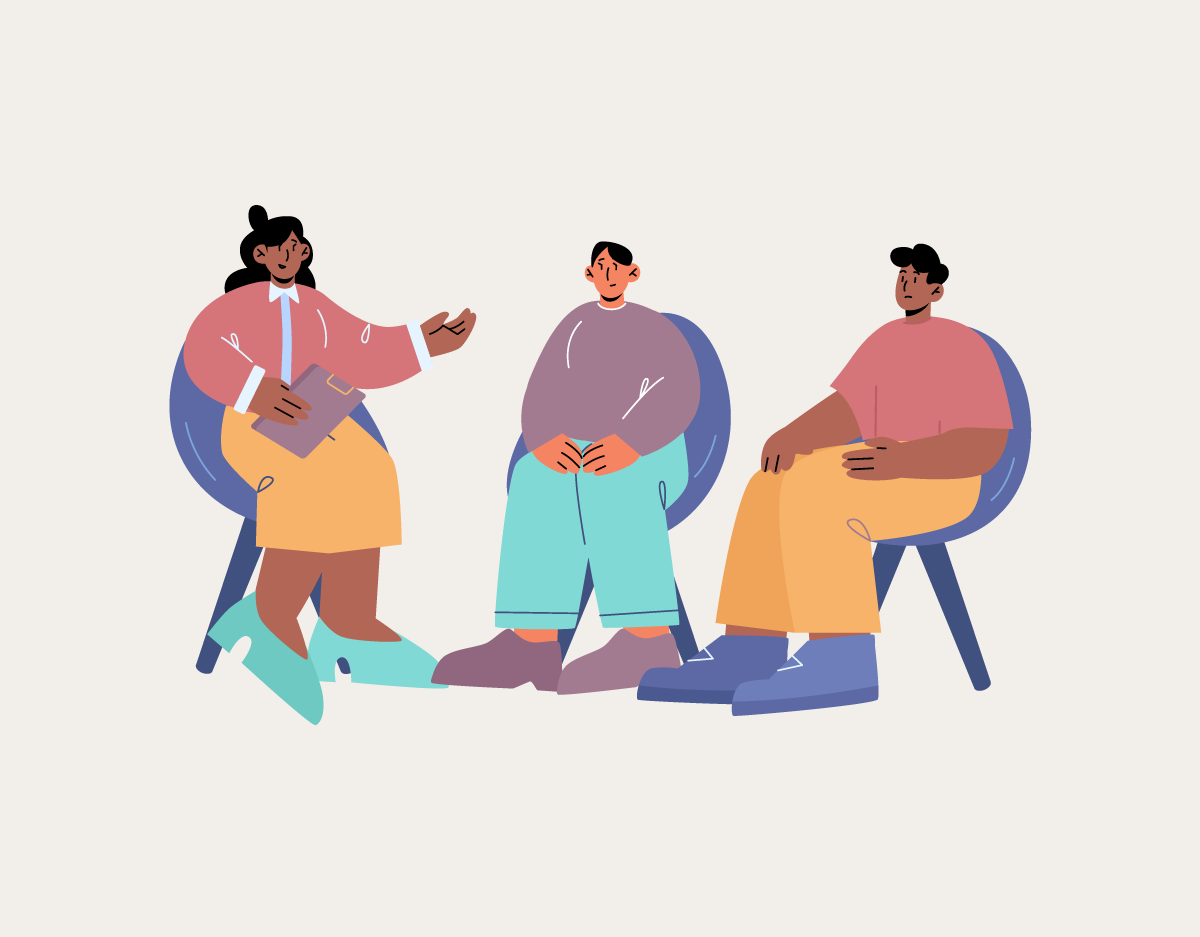
This is one reason quick-access, single-session or walk-in therapy can work so well. It gives men a chance to try therapy without a big commitment. They can come in, talk about what is happening, get some support and decide for themselves whether they want to come back. That first step can feel much more manageable when it is one conversation instead of the pressure of starting a longer process.
For some men, it can be hard to put feelings into words. They may need more time to process what is being said or may feel more comfortable talking first about what happened, what they are thinking or what they are doing. A good therapist understands this. Therapy does not have to start by going deep into emotions. It can begin with the issue that brought someone in, such as conflict at home, stress at work, anger, parenting struggles, loneliness or feeling stuck. Over time, if it feels safe, feelings may come into the conversation.
Good therapy adjusts to the person. It allows more time for processing. It makes room for silence. It does not rush vulnerability. It does not expect everyone to communicate in the same way. The therapist’s job is not to push someone into a way of talking that does not fit. The therapist’s job is to create a space where change becomes possible.
The truth is many men are using therapy when the service meets them where they are. In some family service agencies, men make up nearly half of those using single-session therapy. That tells us something important. Men are willing to come through the door, but the door must feel possible to open.
Taking that first step can still feel terrifying, awkward or exposing. With the right approach, that discomfort can become something useful. It can become the start of clarity, relief and change.
That is why good therapy is worth the effort.